How Licensing Frameworks Steer Game Provider Choices and Payment Flows in Live Mobile Experiences
Alex Beck · Aug 22, 2026
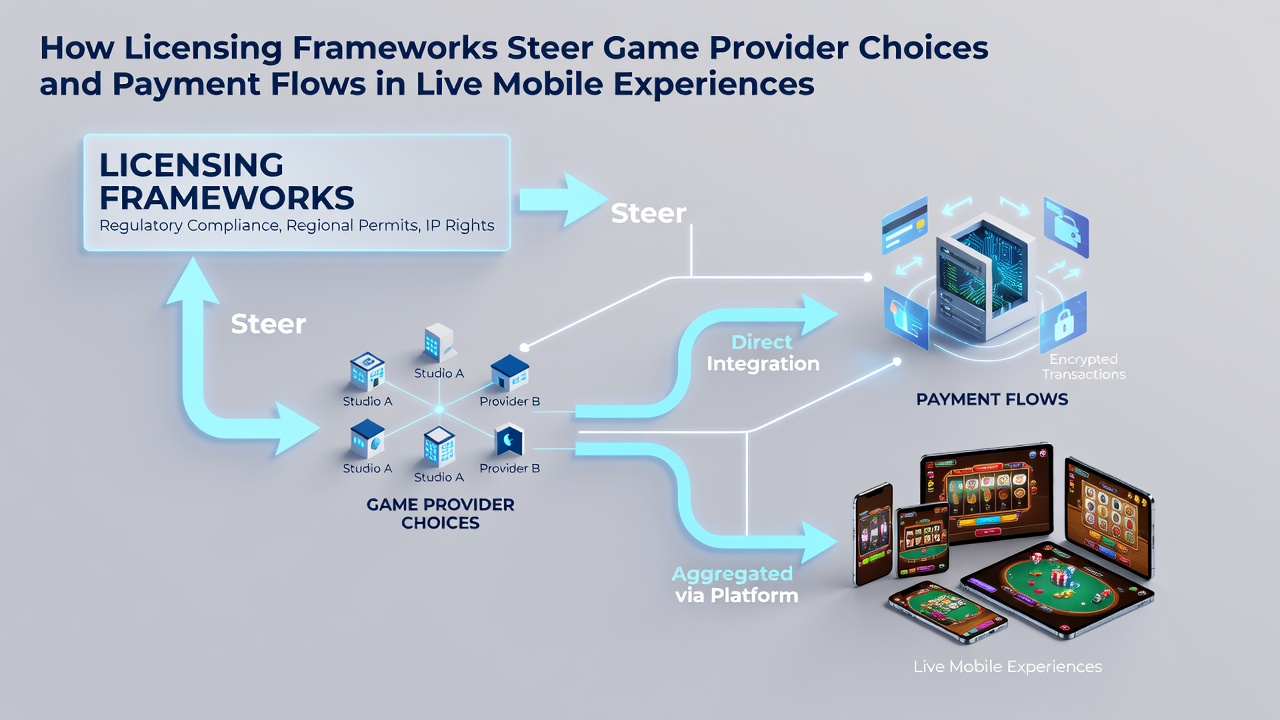
How Licensing Frameworks Steer Game Provider Choices and Payment Flows in Live Mobile Experiences
Licensing frameworks establish the rules that determine which game providers can operate in specific markets and which payment processors can handle transactions in live mobile experiences, and these frameworks operate through detailed compliance requirements that vary by jurisdiction. In August 2026 regulatory updates across multiple regions continued to shape provider selections as operators aligned their offerings with updated standards for security, fairness testing, and financial reporting.
Regional Licensing Requirements Shape Provider Selection
Operators must secure approvals from bodies such as iGaming Ontario in Canada before integrating live dealer streams into mobile applications, and this process requires game providers to undergo rigorous testing for random number generators along with continuous monitoring protocols. Those who've studied this know that providers without certification in the target jurisdiction often find themselves excluded from platform integrations even when their content meets technical standards elsewhere. Data shows that Canadian operators reported a 23 percent increase in approved live mobile titles between early 2025 and August 2026 as frameworks emphasized localized server requirements and audit trails.
European markets apply similar but distinct criteria through authorities like the Malta Gaming Authority, where providers face mandatory integration with centralized reporting systems that track game outcomes in real time. Researchers discovered that these mandates steer choices toward established suppliers who maintain dedicated compliance teams, while newer entrants struggle to meet the documentation thresholds within standard licensing timelines. What's interesting is how frameworks in Australia, administered through the Australian Communications and Media Authority, add another layer by requiring geo-fencing and age verification modules that further narrow the pool of compatible game providers for mobile live experiences.
Payment Flow Regulations Follow Licensing Pathways
Once a provider gains entry through licensing channels, payment flows must route through approved processors that satisfy anti-money laundering and know-your-customer rules tied to the same license. Figures reveal that in jurisdictions with strict licensing, operators route mobile live gaming deposits and withdrawals exclusively through entities vetted by the licensing body, which reduces options for alternative payment methods. This setup creates direct connections between the game provider's license status and the available transaction rails, as processors often decline partnerships with unlicensed content sources.
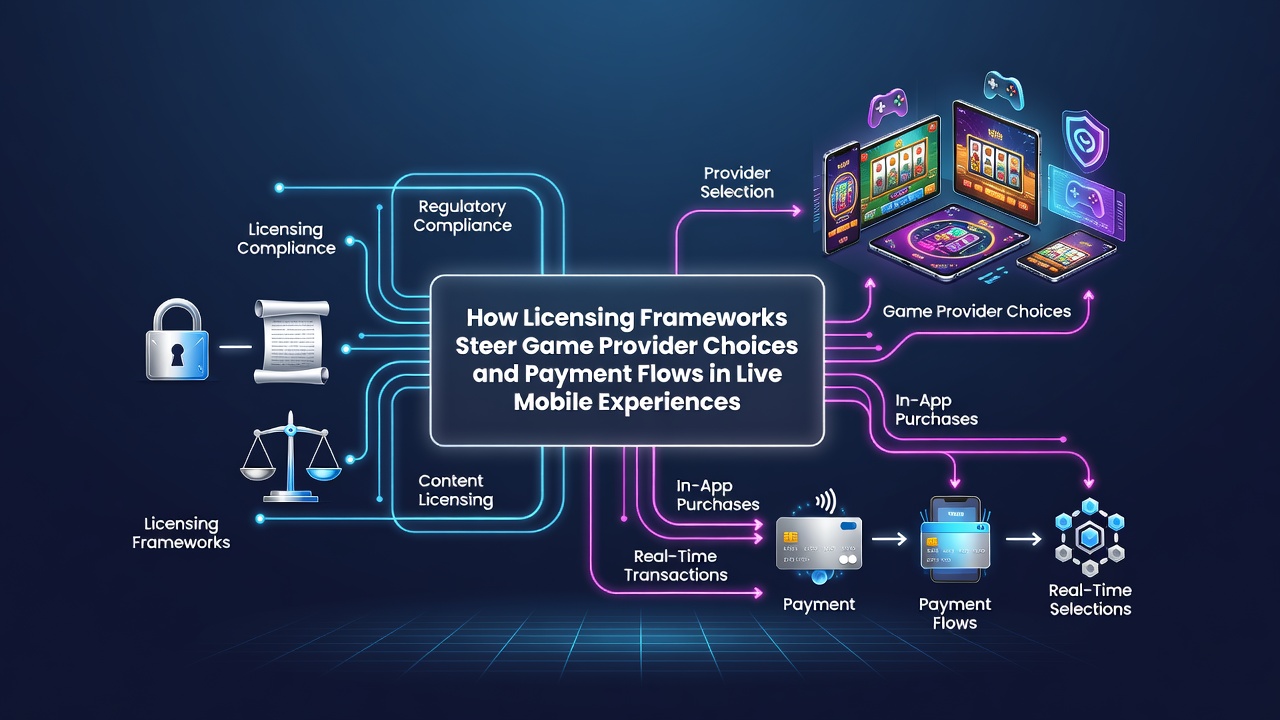
According to reports from the New Jersey Division of Gaming Enforcement, licensed platforms processed over 85 percent of live mobile wagers through state-approved financial partners during the first half of 2026, and this pattern emerged because licensing conditions explicitly restrict external payment gateways. Observers note that such restrictions force providers to adapt their integration roadmaps, often prioritizing suppliers who already maintain relationships with the sanctioned processors. The reality is that payment flow architecture therefore mirrors the licensing map, with funds moving only along corridors pre-cleared by regulatory oversight.
Compliance Costs and Technical Standards Influence Market Access
Licensing frameworks impose recurring audit and reporting expenses that smaller game providers may not absorb without established revenue streams, and this dynamic pushes operators toward larger studios with proven compliance histories. Evidence suggests that technical standards for live video streams, including latency thresholds and encryption levels, become embedded in license conditions, which further filters provider options during the selection phase. Those who've examined platform rollouts in 2026 found that mobile experiences incorporating real-time dealer feeds required providers to demonstrate compatibility with jurisdiction-specific APIs before contracts were finalized.
Industry associations such as the European Gaming and Betting Association have documented how these layered requirements create predictable pathways, where payment flows and game libraries both trace back to the original licensing jurisdiction. Providers that secure multi-jurisdiction approvals gain broader distribution, yet they must still segment their payment processing to match each license's constraints. Researchers discovered that this segmentation often results in separate mobile application versions for different regions, each optimized for the approved game providers and payment partners in that market.
Conclusion
Licensing frameworks therefore function as gatekeepers that align game provider availability with regulated payment flows in live mobile experiences, and the patterns observed through August 2026 demonstrate consistent enforcement across North America, Europe, and Australia. Operators navigate these structures by prioritizing providers whose certifications match the required jurisdictions, while payment processors operate under parallel approvals that limit transaction options to compliant channels. The resulting ecosystem maintains clear boundaries that reflect the specific conditions attached to each operating license.